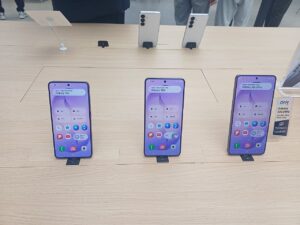
Huawei smartphone strategy is evolving as the company doubles down on its mobile device offerings while facing challenges in EV sales.
Overview of Huawei’s Smartphone Strategy
Huawei’s smartphone strategy has evolved significantly in response to market challenges and competition. As traditional sales of electric vehicles (EVs) slow, the company is redirecting its focus towards bolstering its smartphone offerings. This renewed emphasis aims to capture a larger share of the global smartphone market.
Key components of Huawei’s strategy include:
- Innovation in Technology: Huawei continues to invest heavily in research and development, ensuring its smartphones feature cutting-edge technology and unique designs.
- Expanding Ecosystem: The integration of smartphones with other devices, such as wearables and home appliances, enhances user experience and encourages brand loyalty.
- Market Diversification: By targeting emerging markets and adapting products to local needs, Huawei aims to increase its global footprint.
- Collaborations and Partnerships: Strategic alliances with app developers and service providers help to enrich the user experience and expand the Huawei ecosystem.
Overall, Huawei’s smartphone strategy reflects a commitment to innovation and adaptability, positioning the brand for growth amidst changing market dynamics.
Impact of EV Sales on Huawei’s Business
As Huawei navigates the challenging landscape of the smartphone market, the impact of electric vehicle (EV) sales on its business strategy cannot be overlooked. The slowdown in EV sales has prompted the company to reassess its priorities and focus more intently on its smartphone division.
Recent market trends indicate a shift in consumer spending, with many potential customers now favoring smartphones over high-priced EVs. This shift has led Huawei to enhance its smartphone strategy, placing a greater emphasis on innovation and affordability.
Key factors contributing to the impact of EV sales on Huawei’s business include:
- Market Shift: Economic challenges have made consumers more cautious, leading to reduced demand for electric vehicles.
- Resource Allocation: With lower EV sales, Huawei is redirecting resources to bolster its smartphone offerings, focusing on cutting-edge technology.
- Consumer Preferences: A growing appetite for smartphones, particularly among younger demographics, supports the company’s renewed focus.
By adapting its strategy in response to the changing market dynamics, Huawei aims to reinforce its position in the competitive smartphone sector, ensuring sustainable growth in the coming years.
Future Prospects for Huawei Smartphones
As Huawei continues to navigate the complexities of the global smartphone market, its future prospects hinge significantly on the effectiveness of its smartphone strategy. With a renewed focus on innovation and customer engagement, the company aims to recover from recent setbacks. Analysts suggest several key factors that will shape Huawei’s success moving forward.
- Product Diversification: Huawei is expected to expand its product lineup, incorporating mid-range devices to appeal to a broader audience.
- Software Enhancements: Continued development of HarmonyOS and unique applications can help differentiate Huawei smartphones from competitors.
- 5G Technology: Capitalizing on its advancements in 5G will be crucial for attracting tech-savvy consumers.
- Strategic Partnerships: Collaborating with local and international companies can help bolster Huawei’s market presence and distribution channels.
- Marketing Innovations: Engaging digital marketing campaigns and influencer partnerships will play a vital role in redefining the brand’s image and boosting visibility.
By focusing on these strategic areas, Huawei’s smartphone strategy aims not only to recover lost ground but also to position the brand as a leader in the evolving technology landscape.
Market Reactions to Huawei’s New Focus
Market reactions to Huawei’s renewed focus on its smartphone strategy have been varied, reflecting both optimism and caution among industry analysts and consumers alike. Following the company’s announcement to prioritize smartphone sales amidst a slowdown in electric vehicle (EV) sales, several key observations have emerged.
- Investor Confidence: Some investors have shown renewed confidence in Huawei’s potential, anticipating that a robust smartphone lineup could stabilize revenue streams.
- Consumer Interest: Early reports suggest that consumers are intrigued by the new features and innovations that Huawei smartphones are expected to offer, creating a buzz in the technology sector.
- Competitive Pressure: However, analysts caution that Huawei’s strategy must contend with fierce competition from other smartphone manufacturers, particularly in markets where brand loyalty is strong.
- Regulatory Challenges: Huawei continues to face regulatory scrutiny in various regions, which could impact the effectiveness of its smartphone strategy and overall sales.
In summary, while there is cautious optimism surrounding Huawei’s commitment to its smartphone strategy, the company must navigate a complex landscape of competition, consumer preferences, and regulatory hurdles to achieve its sales goals.
The Huawei smartphone strategy has increasingly focused on enhancing user experience through innovative features. By leveraging cutting-edge technology, the Huawei smartphone strategy aims to attract a broader customer base and improve market penetration.
via Wikimedia Commons