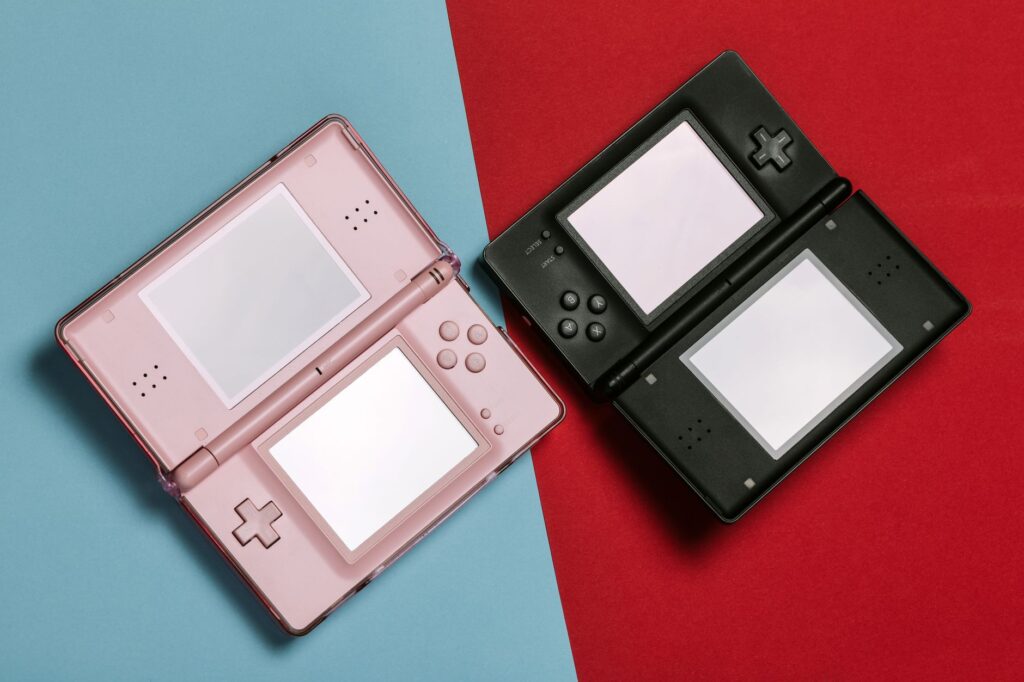
Nintendo account sign-ins will be discontinued in 2027, causing significant changes for users. This decision affects how players access their Nintendo accounts across platforms.
What Does This Mean for Users?
The recent announcement regarding Nintendo account sign-ins has left many users concerned about the future of their gaming experience. The decision to end support for Google and Apple sign-ins by 2027 marks a significant shift in how players will access their accounts. This transition could potentially complicate the login process for millions of users who have relied on these convenient options.
For many, signing in with Google or Apple has been a hassle-free way to access their Nintendo accounts, allowing for quick logins and seamless integration across devices. With the impending change, users will need to adapt to new methods of sign-in, which may involve creating a dedicated Nintendo account or using alternative authentication methods.
The implications of this decision are multifaceted:
- Increased Complexity: Users may have to remember yet another password, which could lead to frustration and confusion.
- Security Concerns: Transitioning away from established sign-in methods could expose users to potential security risks if they are not familiar with Nintendo’s security measures.
- Fragmented Experience: Players who enjoy gaming across multiple platforms might find it cumbersome to manage separate logins.
As Nintendo prepares for this change, it is crucial for users to stay informed and take proactive steps to ensure a smooth transition by familiarizing themselves with the new sign-in process for their Nintendo accounts.
Alternatives to Nintendo Sign-Ins
As Nintendo prepares to phase out Google and Apple sign-ins on Nintendo accounts in 2027, many users are left searching for alternatives to maintain access to their gaming experiences. The changes have raised concerns about user convenience and security.
Fortunately, there are several alternatives that players can consider:
- Email and Password: The most straightforward option is to create a Nintendo account using a traditional email and password combination. This method ensures that users retain control over their account without relying on third-party sign-ins.
- Two-Factor Authentication: To enhance security, users can enable two-factor authentication (2FA) on their Nintendo accounts. This extra layer of protection can help safeguard accounts against unauthorized access.
- Account Linking: Users can also link their Nintendo accounts to other services, such as social media platforms or gaming networks, that may offer alternative login methods. However, this option should be approached with caution, considering privacy implications.
- Customer Support: For users encountering difficulties, Nintendo’s customer support can provide assistance in transitioning to new sign-in methods. They can offer guidance on setting up accounts securely.
Ultimately, as Nintendo account sign-ins evolve, adapting to these changes will be essential for maintaining access to the beloved gaming ecosystem.
Timeline for the Transition
The transition away from Google and Apple sign-ins for Nintendo accounts is set to unfold over the next few years, with key dates that users should be aware of. This change will significantly affect how players access their Nintendo accounts, emphasizing the need for preparation and adaptation.
In early 2027, Nintendo plans to officially terminate the integration of Google and Apple sign-ins. This decision has been met with mixed reactions, as many users have relied on these platforms for quick and convenient access to their accounts. The timeline for the transition is as follows:
- January 2027: Nintendo will begin notifying users via email about the upcoming changes to account access.
- March 2027: Users will be encouraged to set up alternative sign-in methods, such as direct email and password combinations.
- June 2027: The company will cease all sign-in options through Google and Apple, making it necessary for users to have alternative methods in place.
- July 2027: A grace period will commence, allowing users to rectify any account access issues that arise due to the transition.
As the deadline approaches, it is crucial for users to familiarize themselves with the new sign-in requirements and ensure their Nintendo accounts remain accessible. Failure to adapt may lead to difficulties in accessing games and services.
Impact on Gaming Experience
The upcoming changes to Nintendo account sign-ins are set to significantly impact the gaming experience for many users. As Nintendo phases out support for Google and Apple sign-ins in 2027, players will have to adapt to a new system that may not be as convenient.
One of the most immediate effects will be the increased complexity in managing accounts. Currently, many gamers enjoy the ease of logging in through their existing Google or Apple accounts. Removing this option means that users will need to create and remember new credentials specifically for Nintendo, which could lead to frustration and potential account lockouts.
Additionally, the change raises concerns about security. While Nintendo aims to streamline their sign-in process, users may feel less secure if they are required to rely solely on a Nintendo account. The potential for forgotten passwords and the necessity for password recovery processes could lead to delays in accessing games and services.
Furthermore, the transition might disrupt the social aspects of gaming. With multiple platforms being affected, players will find it harder to connect with friends across different devices. This shift could alienate casual gamers who prefer seamless access to their favorite titles.
In summary, the upcoming alterations to Nintendo account sign-ins could diminish the overall gaming experience, making it crucial for users to prepare for the changes ahead.
The new policy surrounding Nintendo account sign-ins has left many users frustrated and searching for alternatives. As a result, Nintendo account sign-ins have become a significant point of contention within the gaming community.
Photo by Stas Knop on Pexels
References
You might also like
ChatGPT business profiles: Easy way to deploy AI agents · RuneScape Dragonwilds Update: The Best Earth Magic Guide · Claude Mythos 5.2: Is It the Best AI Model for Cybersecurity?