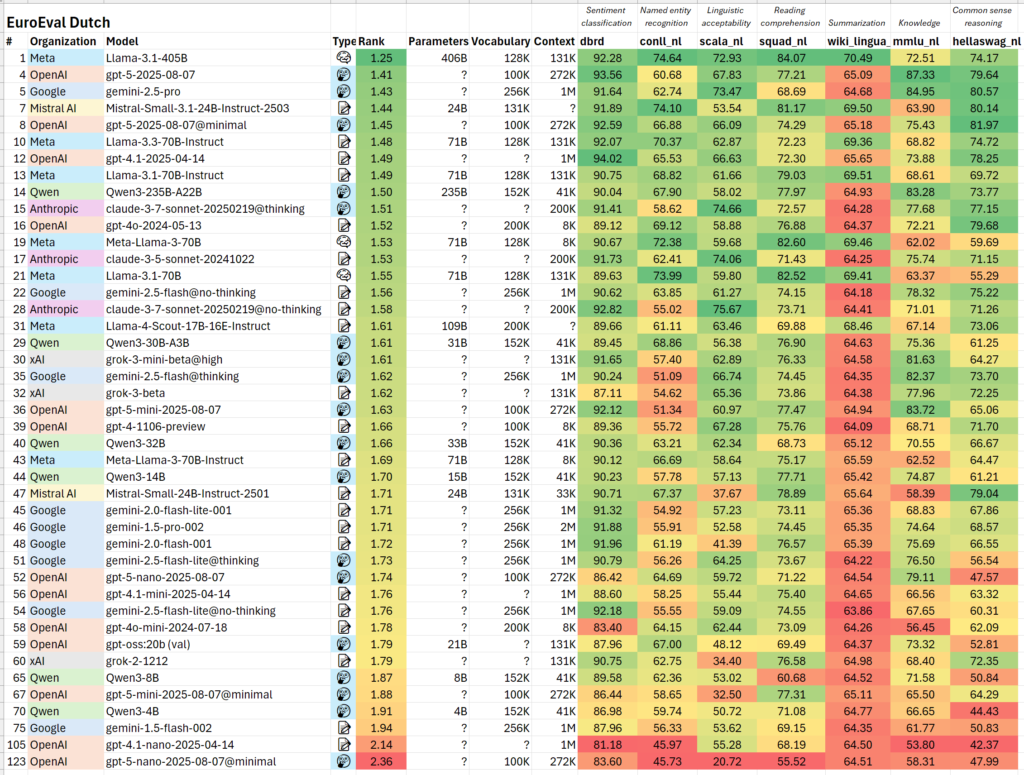
The Mistral AI model is making waves in the cybersecurity sector with its recent release of the large 4 model. This innovative technology aims to provide robust solutions for organizations worldwide.
What is the Mistral AI Model?
The Mistral AI model has emerged as a groundbreaking tool in the realm of cybersecurity, designed to enhance threat detection and response capabilities. Developed by Mistral AI, this model utilizes advanced machine learning techniques to analyze vast amounts of data in real-time. With the increasing complexity of cyber threats, organizations around the globe are seeking innovative solutions to safeguard their digital assets.
This model stands out due to its ability to learn from diverse datasets, allowing it to adapt quickly to new and evolving threats. The Mistral AI model offers several key features:
- Real-time analysis: The model processes information at lightning speed, ensuring timely responses to potential threats.
- Scalability: It can be deployed across various platforms, making it suitable for both small businesses and large enterprises.
- User-friendly interface: Designed with end-users in mind, it simplifies the complexity of cybersecurity for organizations.
Furthermore, Mistral AI has positioned its model to be compatible with existing security frameworks, allowing for seamless integration into current systems. As cyber threats continue to rise, the Mistral AI model represents a promising solution for enhancing organizational security and resilience.
How Does the Large 4 Model Work?
The Mistral AI model, particularly its Large 4 variant, employs advanced algorithms to enhance cybersecurity measures across various sectors. This model leverages state-of-the-art machine learning techniques to analyze vast amounts of data in real time, identifying potential threats and vulnerabilities with unprecedented accuracy.
At the core of how the Large 4 model functions are several key components:
- Data Integration: The model aggregates data from multiple sources, including network traffic, user behavior, and system logs, providing a comprehensive view of the security landscape.
- Threat Detection: Utilizing deep learning, the Mistral AI model can recognize patterns and anomalies that may indicate a cyber attack, enabling proactive measures before damage occurs.
- Automated Response: The Large 4 model is designed to not only detect threats but also to initiate automatic responses, such as isolating affected systems or alerting security personnel.
- Continuous Learning: As new threats emerge, the model continuously updates its algorithms, learning from each interaction to improve its predictive capabilities.
These features position the Mistral AI model as a formidable tool in the fight against cybercrime, offering organizations a robust defense mechanism that evolves with the changing landscape of threats.
Benefits of Using Mistral AI in Cybersecurity
The integration of the Mistral AI model in cybersecurity presents several notable benefits that enhance organizational security protocols. As cyber threats continue to evolve, leveraging advanced AI technology becomes essential in safeguarding sensitive data.
One of the primary advantages of using the Mistral AI model is its ability to process vast amounts of data in real-time. This capability allows security teams to detect anomalies and respond to threats swiftly, minimizing potential damage. Additionally, the model employs sophisticated algorithms that improve threat prediction and detection rates, making it a powerful tool against cybercriminal activities.
Moreover, the Mistral AI model’s adaptive learning feature enables it to learn from previous incidents, refining its threat assessment capabilities over time. This continual improvement ensures that the system remains effective against both known and emerging threats, providing organizations with a robust defense mechanism.
Another significant benefit is its scalability. The Mistral AI model can be tailored to fit various organizational sizes and needs, making it suitable for both small businesses and large enterprises. This flexibility allows for a more customized approach to cybersecurity, ensuring that specific vulnerabilities are effectively addressed.
- Real-time data processing
- Enhanced threat prediction
- Adaptive learning capabilities
- Scalability for different organizations
Overall, the Mistral AI model stands out as a promising solution in the ever-changing landscape of cybersecurity.
Comparing Mistral AI with Other Models
When evaluating the efficacy of the Mistral AI model within the cybersecurity landscape, it is essential to compare it with other leading models. Each AI model offers distinct features and capabilities that can impact their performance in threat detection and response.
One of the primary competitors to the Mistral AI model is the TensorGuard AI. Known for its rapid data processing capabilities, TensorGuard excels in real-time threat analysis. However, its reliance on traditional algorithms can limit its adaptability to new attack vectors.
In contrast, the Mistral AI model utilizes a more advanced machine learning architecture, which allows it to learn from a wider range of data inputs. This enhances its predictive capabilities and enables it to identify previously unseen threats effectively.
Another noteworthy competitor is the SecureNet AI, which emphasizes user behavior analytics. While SecureNet is proficient in detecting insider threats, it sometimes struggles with external attacks. The Mistral AI model, on the other hand, maintains a balanced approach, ensuring robust defense against both internal and external threats.
Ultimately, choosing the right model depends on specific organizational needs. However, the Mistral AI model stands out for its comprehensive threat detection capabilities and adaptability, making it a compelling choice in the dynamic field of cybersecurity.
Real-World Applications of Mistral AI
The Mistral AI model has emerged as a powerful tool in the realm of cybersecurity, with several real-world applications that showcase its effectiveness. Organizations are increasingly adopting this model to enhance their security measures and protect sensitive data.
One significant application is in threat detection. By leveraging the Mistral AI model, companies can analyze vast amounts of data in real-time to identify potential threats before they cause damage. This proactive approach allows security teams to respond swiftly to emerging risks.
Another critical application is in incident response. The Mistral AI model can assist in automating and streamlining the response process, enabling organizations to manage security incidents more efficiently. By providing actionable insights, it helps teams prioritize their efforts and allocate resources effectively.
Moreover, the model is instrumental in predictive analytics. By analyzing past incidents, the Mistral AI model can help organizations anticipate future threats and adjust their security strategies accordingly. This predictive capability not only enhances security posture but also reduces overall risk.
In addition to these applications, the Mistral AI model is being utilized in compliance monitoring, ensuring that organizations adhere to relevant regulations and standards. Overall, its versatility makes it a leading choice for businesses seeking robust cybersecurity solutions.
Future of Cybersecurity with AI Technology
The future of cybersecurity is increasingly intertwined with advancements in artificial intelligence, particularly with the emergence of models like the Mistral AI model. As cyber threats grow in complexity and scale, leveraging AI technology becomes essential for organizations aiming to bolster their defenses.
One of the key advantages of AI in cybersecurity is its ability to analyze vast amounts of data in real-time. The Mistral AI model enhances this capability by employing advanced algorithms that can identify patterns and anomalies indicative of security breaches. This proactive approach not only helps in detecting threats faster but also enables organizations to respond more effectively.
Moreover, AI-driven solutions are continuously learning from new data, which means that the Mistral AI model can adapt to evolving threats, making it a vital component of a future-proof cybersecurity strategy. Organizations that integrate such models can expect to see improved risk management and reduced incident response times.
As the cybersecurity landscape evolves, the collaboration between AI technologies and traditional security measures will likely become more pronounced. The integration of models like Mistral AI is setting a new standard for cybersecurity solutions, paving the way for more resilient and intelligent defense mechanisms.
In conclusion, the future of cybersecurity with AI technology looks promising, particularly with innovative models like the Mistral AI model leading the charge.
By WikiEwout via Openverse