
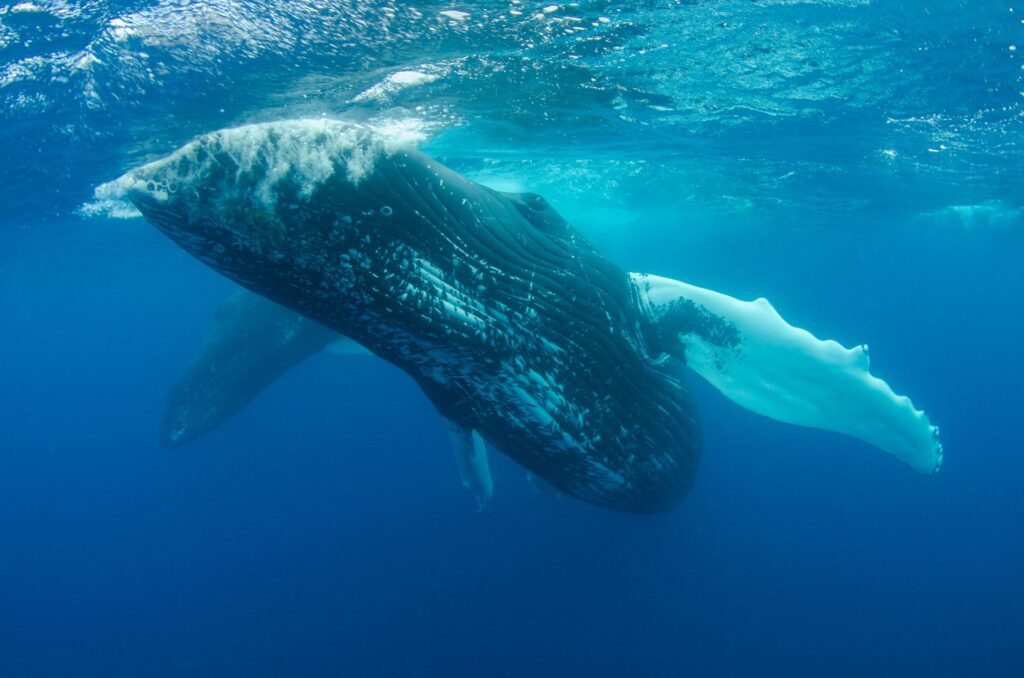
humpback whales communication has sparked curiosity among researchers and enthusiasts alike. Recent observations suggest these majestic creatures may be attempting to convey messages to humans, prompting deeper exploration into their behavior.
Understanding Humpback Whales
Understanding humpback whales and their communication is a fascinating area of study. Researchers have observed these magnificent creatures using a variety of sounds, including songs, clicks, and grunts, as a means of interaction. Humpback whales communication appears not only to facilitate social bonding but also to convey important information about their environment.
Some scientists believe that these vocalizations may even have the capacity to express emotions or convey complex messages. In recent studies, there have been instances where humpback whales seemed to respond to human presence, leading to questions about what they might be trying to communicate.
- Social bonding through songs
- Using sounds to share information
- Potential emotional expression
As we continue to deepen our understanding, the mysteries of their communication may reveal more about these incredible animals and their interactions with the world around them.
The Science Behind Whale Sounds
The communication methods of humpback whales are a fascinating subject for marine biologists and enthusiasts alike. Through a complex system of sounds, these majestic creatures convey a variety of messages, ranging from mating calls to warnings about predators. Recent studies have shown that humpback whales can produce a diverse range of sounds, including:
- Song: A series of melodic phrases that can last for hours.
- Gurbles: Low-frequency sounds that may indicate social interactions.
- Clicks: Sharp, short sounds used for echolocation.
Understanding humpback whales’ communication is vital for conservation efforts, as it helps researchers assess their health and social structures. By interpreting these sounds, scientists hope to uncover the meanings behind them and gain insights into how these magnificent creatures interact with each other and their environment.
What Are Humpback Whales Trying to Say?
Humpback whales are known for their complex communication, often captivating those who study them. Researchers have observed that these majestic creatures use a variety of sounds to convey messages, not only to each other but potentially to humans as well. The sounds include songs, which can last for hours and vary between populations, as well as grunts, moans, and whistles. Each sound serves a purpose, whether it be for mating, navigation, or social interaction.
Some scientists suggest that humpback whales might be attempting to communicate with humans, expressing curiosity or even a desire for connection. Their vocalizations are believed to carry significant meaning, prompting further research into understanding the nuances of humpback whales’ communication. As we learn more, we may uncover the depths of their messages and the importance of preserving their habitats.
Recent Research on Whale Communication
Recent research on humpback whales communication has revealed fascinating insights into their social interactions and behaviors. Scientists have dedicated extensive studies to deciphering the complex vocalizations of these magnificent creatures, which are believed to serve various purposes.
Among the key findings are:
- Song Patterns: Humpback whales are known for their elaborate songs, which change over time and are thought to play a role in mating rituals.
- Social Sounds: Beyond singing, these whales use a variety of sounds to communicate with each other, including calls and clicks.
- Potential Messages: Some researchers suggest that the vocalizations might even convey information about food sources or environmental conditions.
Understanding these forms of communication sheds light on the social lives of humpback whales and their ability to connect with one another, further emphasizing the importance of protecting their habitats.
Implications for Marine Conservation
The communication of humpback whales has profound implications for marine conservation efforts. Understanding how these majestic creatures convey messages can enhance our ability to protect their habitats and promote biodiversity in ocean ecosystems.
By studying the intricate vocalizations of humpback whales, researchers can gain insights into their social structures, migration patterns, and responses to environmental changes. This knowledge can inform conservation strategies, ensuring that protective measures align with the whales’ communication needs and behaviors.
Moreover, recognizing that humpback whales may attempt to interact with humans opens avenues for fostering a deeper connection between our species and marine life. Initiatives that educate the public about humpback whales’ communication can inspire collective action towards safeguarding their environments, ultimately benefiting both marine life and human communities.
In summary, enhancing our understanding of humpback whales communication is vital for effective marine conservation efforts.
How Humans Can Respond to Whale Messages
As our understanding of humpback whales communication deepens, it becomes crucial for humans to respond thoughtfully to the messages these majestic creatures may be trying to convey. Observations show that humpbacks often engage in vocalizations that appear to be directed towards boats or divers. Recognizing these calls can foster a deeper connection between humans and whales.
- Utilizing acoustic technologies allows researchers to analyze whale songs and interpret their meanings, potentially bridging the gap between species.
- Creating guidelines for marine activities can help minimize disturbances during critical communication periods, ensuring that we respect their natural behaviors.
- Encouraging public awareness about the importance of whale communication can motivate conservation efforts and promote responsible interactions.
By embracing these approaches, humans can better understand and respond to the intricate dialogues of humpback whales.
Researchers have found that humpback whales communication is not only complex but also varies across different populations. Understanding these patterns in humpback whales communication can lead to better conservation efforts and a deeper appreciation of their social structures.
Photo by Ben Phillips on Pexels
References
You might also like
Is Fantasy Camp Builder the Best New Game Experience? · GTA Release Date: Proven Details for PlayStation 5 Fans · Ratchet & Clank Game Canceled: The Worst Gaming News of 2023
