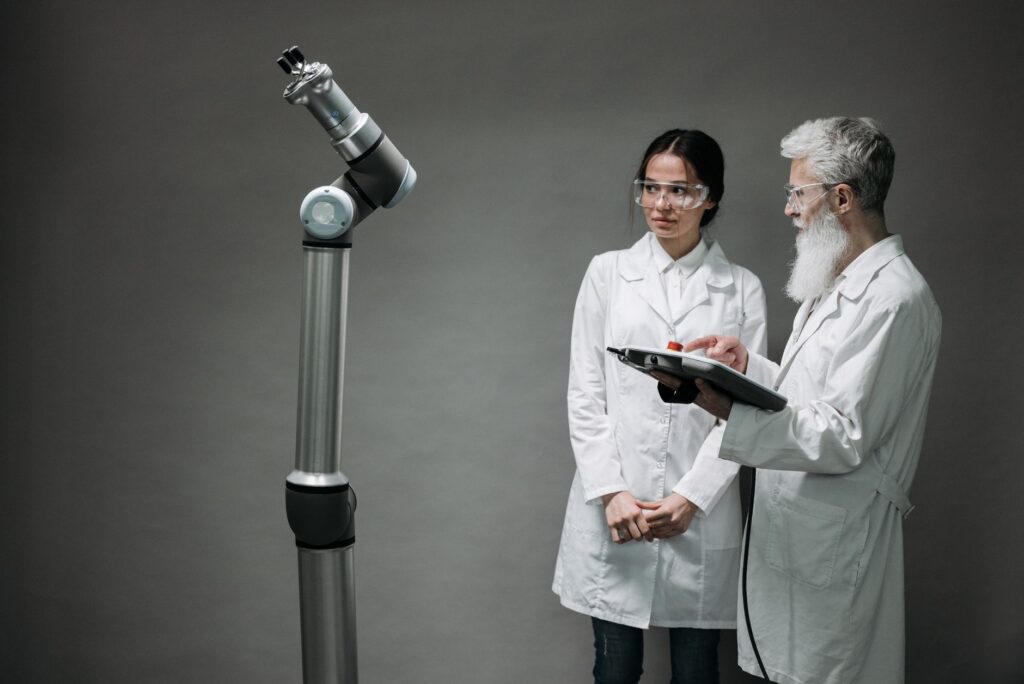
The effects of AI on workers are becoming a significant concern as legislation aims to study its impact on public-sector employment.
Understanding AI’s Role in the Workforce
As artificial intelligence (AI) continues to evolve, its integration into various sectors raises important questions about the effects of AI on workers. The workforce landscape is changing dramatically, with AI technologies being implemented to enhance productivity and efficiency. However, this shift also brings significant challenges for employees across many industries.
AI is increasingly taking on roles that were traditionally performed by humans, leading to a mixture of optimism and uncertainty. On one hand, businesses can benefit from improved decision-making processes and the ability to analyze large datasets quickly. On the other hand, workers may face job displacement as machines become capable of handling tasks more efficiently than their human counterparts.
Key areas where AI is making an impact include:
- Automation: Routine tasks are being automated, freeing workers to focus on more complex responsibilities.
- Job Transformation: Many jobs are evolving, requiring employees to develop new skills to remain relevant in an AI-driven environment.
- Workplace Dynamics: The collaboration between humans and AI is reshaping team structures and workflows.
Understanding these shifts is essential for policymakers and business leaders to ensure that the effects of AI on workers are managed effectively, promoting a balance between innovation and workforce stability.
Legislative Measures on AI
Recent legislative measures have been introduced to address the effects of AI on workers, particularly in the public sector. Lawmakers are increasingly concerned about how artificial intelligence technologies could transform job roles and employment conditions.
A proposed bill aims to establish a comprehensive study that investigates the implications of AI integration within public services. This initiative seeks to assess both the potential benefits and challenges posed by these technologies to ensure that workers are protected and supported.
The key objectives of this legislation include:
- Evaluating job displacement risks: Understanding which positions may be at risk due to automation and AI advancements.
- Identifying training needs: Ensuring that current workers have access to the necessary training programs to adapt to new technologies.
- Promoting equitable implementation: Developing guidelines that encourage fair use of AI without undermining workers’ rights.
- Monitoring worker well-being: Assessing the psychological and social effects of AI on the workforce.
As legislators move forward, the outcome of this study could shape future policies and provide essential insights into the evolving relationship between AI and public-sector employment.
The Future of Public Sector Jobs
The future of public sector jobs is increasingly intertwined with the evolution of artificial intelligence (AI). As municipalities and government agencies begin to adopt AI technologies, the effects of AI on workers are becoming a critical area of analysis. Recent legislative initiatives have aimed to study these impacts, reflecting a growing recognition of the need for strategic planning in the face of technological advancement.
As AI systems become more prevalent, public sector employees may find their roles changing significantly. Some potential effects include:
- Task Automation: Routine tasks may be automated, allowing workers to focus on more complex responsibilities.
- Job Displacement: Certain roles could be at risk of obsolescence, leading to potential job losses in specific sectors.
- Skill Shifts: There will be a growing demand for workers with skills in AI management and data analysis.
- Enhanced Decision-Making: AI can support workers in making better-informed decisions by providing valuable insights from data.
These changes underscore the need for workforce training programs to prepare employees for a new era of public service. Policymakers must consider these effects of AI on workers to ensure a smooth transition and maintain the integrity of public sector services.
Challenges Faced by Workers
The increasing integration of artificial intelligence in various sectors has brought forth a multitude of challenges faced by workers. As businesses adopt AI technologies to enhance productivity and efficiency, many employees find themselves grappling with job insecurity and changing roles.
One primary concern is the potential for job displacement. Workers in routine and manual positions are particularly vulnerable, as AI systems can often perform tasks faster and more accurately than humans. This has led to fears regarding the effects of AI on workers, with many questioning their long-term job prospects.
Additionally, there is a steep learning curve associated with new AI tools. Employees may struggle to adapt to these technologies, necessitating ongoing training and support. The lack of adequate resources for skill development can exacerbate feelings of anxiety and inadequacy among workers.
Furthermore, the implementation of AI can alter workplace dynamics. As machines take on more responsibilities, the traditional roles of collaboration and teamwork may be undermined, leading to a more isolated working environment.
In light of these challenges, it is essential for employers to prioritize worker well-being and invest in training programs that equip employees with the skills needed to thrive alongside AI technologies.
Addressing these concerns will be crucial in fostering a harmonious transition to an AI-driven workforce.
Benefits of AI in Employment
The integration of artificial intelligence (AI) into various sectors has led to a range of benefits for workers, transforming the landscape of employment. One of the primary advantages is the enhancement of productivity. By automating routine tasks, AI allows workers to focus on more complex and creative aspects of their jobs. This shift often results in higher job satisfaction and the opportunity for skill development.
Additionally, AI can facilitate better decision-making processes. With access to vast amounts of data, AI tools can provide insights that help employees make more informed choices, ultimately leading to improved outcomes for businesses and their clientele. Workers equipped with AI-driven tools can analyze trends and predict customer needs more accurately, enhancing their performance.
Furthermore, AI has the potential to create new job opportunities. As industries evolve, new roles emerge that require human oversight of AI systems, programming, and maintenance. This shift indicates a changing job market where adaptability and continual learning become essential skills for workers.
However, it is crucial to acknowledge the nuances of the effects of AI on workers. While the benefits are noteworthy, workers need to remain vigilant about the evolving nature of their roles in this AI-driven era.
Case Studies on AI Implementation
The implementation of artificial intelligence (AI) in various industries has led to a significant transformation in the workforce. Several case studies highlight the diverse effects of AI on workers, showcasing both challenges and opportunities.
- Manufacturing Sector: A well-documented case is that of a major automotive manufacturer that integrated AI-driven robotics into its assembly lines. While productivity surged by 30%, the workforce experienced a shift. Many skilled laborers were upskilled for oversight roles, yet some positions were eliminated, illustrating the dual impact of AI on employment.
- Healthcare Industry: Another compelling example is found in healthcare, where AI tools assist in diagnostics and patient management. As AI systems enhance efficiency, healthcare professionals have reported a reduction in repetitive tasks, allowing them to focus on patient care. However, this shift has raised concerns about job security for administrative staff, emphasizing the need for retraining.
- Retail Environment: In retail, companies utilizing AI for inventory management and customer interactions have noted improved service levels. While this results in enhanced customer satisfaction, it also leads to a decrease in traditional cashier roles, prompting a reevaluation of workforce needs.
These case studies collectively illustrate the multifaceted effects of AI on workers, revealing a landscape that demands adaptability and ongoing education.
Worker Perspectives on AI
As artificial intelligence continues to permeate various sectors, workers are expressing a range of perspectives on its impact. Many employees report feeling a mix of optimism and anxiety regarding the effects of AI on workers. While some view AI as a tool that can enhance productivity and streamline tasks, others are concerned about job displacement and the potential loss of their roles.
Among the insights shared by workers, several key themes have emerged:
- Job Security: A significant number of employees fear that AI could replace their positions, leading to increased job insecurity.
- Skill Development: Many workers recognize the necessity of upskilling and reskilling to remain competitive in an AI-driven landscape.
- Work-life Balance: Some employees believe that AI can help reduce their workload, allowing for better work-life balance and more time for personal pursuits.
- Collaboration: There is a growing sentiment that AI should be viewed as a collaborative partner rather than a competitor, with the potential to augment human capabilities.
Ultimately, the effects of AI on workers will largely depend on how organizations choose to implement these technologies and how they support their employees during this transition. Open dialogues and training programs can help bridge the gap between fear and acceptance of AI in the workplace.
Potential Changes in Job Structure
The integration of artificial intelligence (AI) in various sectors is poised to bring significant changes to job structures, particularly in how tasks are performed and the roles workers hold. As organizations adopt AI technologies, certain tasks may become automated, leading to a shift in job responsibilities across industries.
One of the primary effects of AI on workers is the potential for job displacement in roles that involve routine and repetitive tasks. AI systems can efficiently handle data entry, basic customer service inquiries, and even some decision-making processes, which can result in reduced demand for human labor in these areas.
However, the changes are not solely negative. While some positions may be at risk, AI also creates opportunities for new job roles that require advanced skills in managing and interpreting AI systems. Workers may find themselves transitioning into positions that focus on oversight, strategy, and creative problem-solving.
In this evolving landscape, it is crucial for workers to enhance their skills and adapt to new technologies. Organizations and educational institutions are increasingly focusing on training programs to prepare the workforce for these changes. Successful adaptation will hinge on understanding the effects of AI on workers and proactively addressing the skills gap that may arise as the job market evolves.
The effects of AI on workers are becoming increasingly evident in various industries. As automation takes over routine tasks, the effects of AI on workers may lead to both opportunities and challenges in the job market.
Photo by Pavel Danilyuk on Pexels
References
Related reading
Financial Services AI: Proven Solutions for Growth · Microsoft October Patch Tuesday: Safe and Proven Fixes · GTA VI Release Date: The Best Proven Timeline for Gamers