
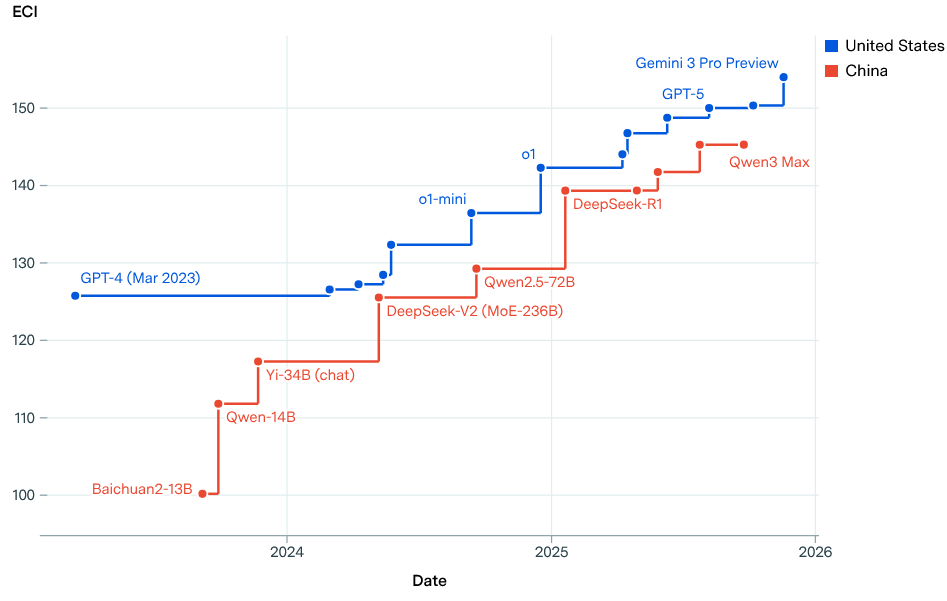
Chinese AI model development is currently under threat as new US chip curbs and distillation crackdowns emerge. These actions could hinder progress in the rapidly evolving field of artificial intelligence.
Impact of US Chip Curbs on AI
The recent US chip curbs have significantly impacted the landscape of Chinese AI model development, presenting major challenges for researchers and companies. The restrictions limit access to crucial semiconductor technologies, which are vital for training advanced AI systems.
Sources indicate that these measures not only affect hardware availability but also hinder collaboration opportunities between Chinese firms and international technology providers. The following are key aspects of the situation:
- Reduced Resources: As the US tightens its grip on chip exports, Chinese AI developers face a shortage of high-performance processors, which are essential for running complex algorithms.
- Innovation Stifling: Without access to the latest technology, Chinese companies may struggle to keep pace with global competitors, potentially slowing the overall growth of AI capabilities in the region.
- Increased Costs: The need to source alternative chips or invest in less efficient technology can lead to increased operational costs for Chinese AI startups, impacting their viability.
- Distillation Crackdown: Regulatory pressures related to data handling and AI model training further complicate the development process, leading to concerns about compliance and operational efficiency.
In summary, the convergence of US chip curbs and regulatory challenges poses a considerable threat to the future of Chinese AI model development, raising questions about the sector’s resilience in the face of adversity.
Distillation Crackdown Explained
The recent crackdown on distillation processes poses significant challenges for the advancement of Chinese AI model development. Distillation, a technique used to refine and compress large AI models, is essential for optimizing performance while reducing computational costs. However, new regulations have emerged that limit access to the necessary resources and technologies required for these processes.
Several key factors contribute to the impact of the distillation crackdown:
- Resource Allocation: The tightened regulations have led to a decrease in the availability of high-quality datasets and computing power, essential for training sophisticated AI models.
- Collaboration Restrictions: International partnerships, which often facilitate knowledge transfer and technological exchange, are now more difficult to establish, hindering innovation in Chinese AI model development.
- Increased Costs: As resources become scarcer, the financial burden on companies attempting to distill AI models is likely to rise, making it challenging for smaller organizations to compete.
As a result, the combination of US chip curbs and the distillation crackdown could slow the progress of Chinese AI initiatives considerably. The long-term effects of these challenges may reshape the landscape of AI technology in the region, potentially limiting China’s ability to compete on a global scale.
Challenges for Chinese Tech Companies
Chinese tech companies are currently navigating a complex landscape of challenges that significantly hinder their AI model development efforts. As the global competition in artificial intelligence intensifies, these companies face a multitude of barriers that are impacting their growth and innovation.
- Regulatory Hurdles: The recent crackdown on distillation techniques has raised concerns among developers. This crackdown limits the ability to efficiently train AI models, which is crucial for progress.
- Supply Chain Disruptions: The ongoing US chip curbs have severely restricted access to essential hardware. This shortage affects not just production capabilities but also the scalability of AI projects.
- Talent Acquisition: With increasing restrictions and a highly competitive environment, attracting top talent has become more challenging for Chinese companies. Many skilled professionals are looking to relocate to countries with fewer limitations.
- International Collaboration: Collaborations with foreign entities are under scrutiny, complicating partnerships that could enhance AI model development. This isolation may hinder the exchange of ideas and resources vital for innovation.
These interconnected challenges create a daunting atmosphere for Chinese tech companies as they strive to advance in the rapidly evolving field of artificial intelligence. The future of Chinese AI model development hangs in the balance, with implications not only for the companies involved but also for the broader technological landscape.
Future of AI in China
The future of AI in China appears increasingly uncertain as the nation grapples with significant setbacks in its AI model development. Experts warn that ongoing challenges could hinder the country’s ambitions in this critical technological field.
Several factors contribute to this grim outlook:
- US Chip Restrictions: The recent US chip curbs have severely impacted Chinese tech companies, limiting their access to essential hardware needed for developing advanced AI models.
- Regulatory Environment: The government’s crackdown on distillation practices has raised concerns among developers, making it difficult to innovate and experiment with new AI solutions.
- Global Competition: As other countries, particularly the United States, ramp up their AI initiatives, China’s lag in accessing critical technology could widen the gap.
Despite these challenges, there remains a strong belief in the potential of Chinese AI model development. Many industry insiders emphasize the resilience and adaptability of Chinese tech firms. They argue that innovation can still thrive in less conventional ways, possibly leading to unique advancements. However, for this potential to be realized, a shift in policies and greater collaboration among industry players may be necessary to navigate the evolving landscape.
Ultimately, the trajectory of AI in China will depend on how effectively these challenges are addressed and the strategic choices made by stakeholders in the coming years.
International Response to AI Regulations
The international response to the evolving landscape of AI regulations has been significant, particularly in relation to Chinese AI model development. As countries grapple with the implications of AI technologies, many are reassessing their own regulatory frameworks in light of perceived threats and ethical considerations.
Several nations, particularly those in the West, have voiced concerns about the rapid advancements in Chinese AI capabilities. The United States has taken a particularly hard stance, implementing stringent restrictions on chip exports that are crucial for AI model training and development. This move is seen as an effort to curb the potential military applications of advanced AI technologies.
In contrast, some countries have adopted a more collaborative approach, seeking partnerships with Chinese tech firms to foster innovation while maintaining regulatory oversight. This dual strategy highlights the complexities of navigating international relations in the realm of technology.
Furthermore, global organizations are beginning to draft agreements aimed at establishing ethical guidelines for AI development. These discussions emphasize the need for transparency and accountability, which could shape the future trajectory of AI model development not only in China but worldwide.
As the landscape continues to evolve, the balance between fostering innovation and ensuring responsible usage remains a topic of intense debate among policymakers and industry leaders.
Comparative Analysis of AI Policies
The landscape of AI development in China is increasingly shaped by contrasting policies and regulations both domestically and internationally. As the Chinese AI model development sector strives to innovate, it faces significant hurdles stemming from stringent US policies and internal regulatory challenges.
In comparing the approaches taken by different nations, several key factors emerge:
- Investment Strategies: The Chinese government has heavily invested in AI technologies, aiming to establish a global leadership position by 2030. However, these ambitions are often undermined by external pressures.
- Regulatory Frameworks: While China aims to promote rapid AI advancement, recent crackdowns on data usage and algorithm transparency complicate progress. The balance between innovation and regulation remains delicate.
- International Collaboration: The US’s restrictive measures on tech exports hinder potential partnerships, creating a divide that could slow down collaborative AI research and development.
As these policies evolve, the implications for Chinese AI model development are profound. The intersection of domestic regulations and international sanctions will likely dictate the pace at which Chinese tech entities can adapt and thrive in the global AI arena. These challenges necessitate a reevaluation of strategies to ensure sustainable growth amid evolving geopolitical tensions.
Expert Opinions on AI Development
Experts in the field of artificial intelligence have voiced significant concerns regarding the current state of Chinese AI model development in light of recent regulatory and technological challenges. Many believe that the restrictions imposed by the United States are not only hindering progress but also forcing Chinese tech companies to reevaluate their strategies.
Dr. Li Zhang, a leading AI researcher, notes that “the US chip curbs have created a substantial barrier for Chinese firms, limiting their access to advanced technologies necessary for developing competitive AI models.” He emphasizes that this situation could lead to a stagnation in innovation within the country.
Similarly, Professor Mei Chen from Tsinghua University highlights the impact of the distillation crackdown. “Many companies are now struggling to find alternative methods for training their models effectively. This not only delays projects but also increases costs significantly,” she states.
Additionally, industry analyst James Wu points out that the future of Chinese AI model development may rely heavily on governmental support and international collaborations. “Without these partnerships, the growth of AI in China could face even greater obstacles,” he warns.
Overall, the sentiment among experts indicates a period of uncertainty ahead for Chinese AI model development, as firms navigate the complex landscape shaped by both domestic and international pressures.
Chinese AI model development has encountered significant challenges due to regulatory hurdles and competition from global tech giants. As a result, the future of Chinese AI model development remains uncertain amidst these setbacks.
By Luke Emberson via Openverse
