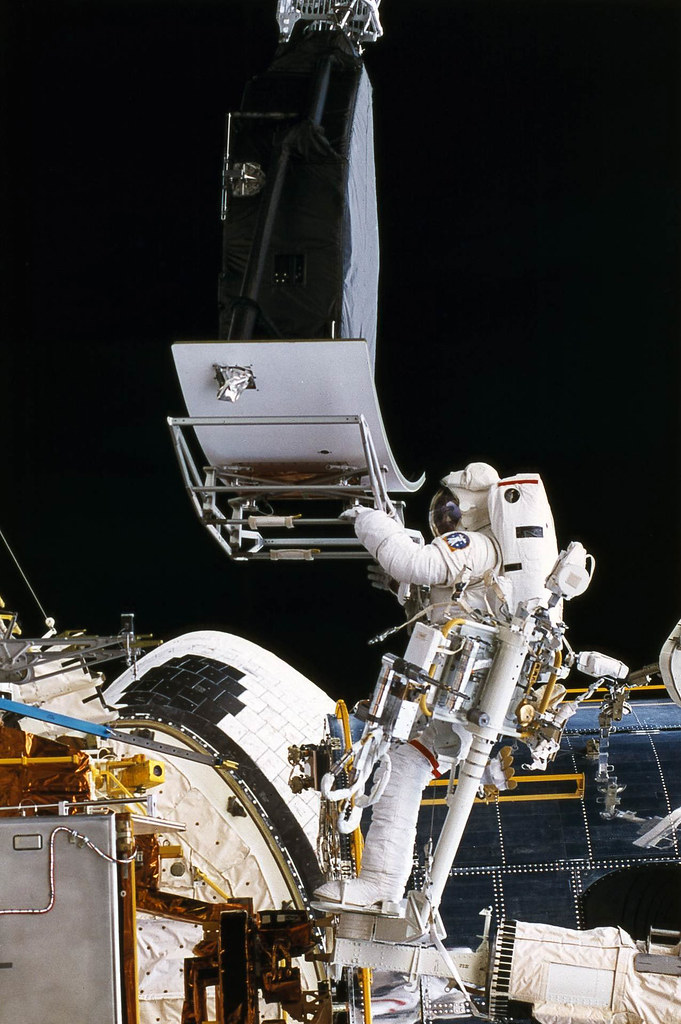
Hubble servicing mission is a critical topic as NASA debates its future. The agency is weighing the benefits of a servicing mission against a controlled deorbit of the iconic telescope.
What is the Hubble servicing mission?
The Hubble servicing mission represents a pivotal effort by NASA to extend the operational life of the Hubble Space Telescope, which has been instrumental in advancing our understanding of the universe since its launch in 1990. This mission involves sending astronauts to the telescope to perform essential maintenance and upgrades, ensuring that its scientific capabilities remain at the forefront of astronomical research.
Historically, Hubble has undergone several servicing missions, with each one enhancing its technology and functionality. The most recent mission took place in 2009, where astronauts replaced critical components and installed new instruments, significantly boosting its performance.
As NASA deliberates its future options, the potential for another Hubble servicing mission emerges as a viable alternative to a controlled deorbit, which would involve safely bringing the telescope down to Earth. The decision weighs heavily on various factors, including the scientific value of Hubble’s continued operation and the costs associated with a servicing mission compared to deorbiting.
In conclusion, the Hubble servicing mission could be a key step in maximizing the telescope’s contributions to science and ensuring that it continues to inspire future generations of astronomers.
NASA’s options for the Hubble telescope
Nasa is currently evaluating its options for the future of the Hubble telescope, weighing the potential of a Hubble servicing mission against a controlled deorbit. This decision comes as the iconic observatory continues to provide invaluable data, despite its aging technology.
Several factors are influencing NASA’s considerations:
- Technological Advancements: A servicing mission could allow for upgrades to Hubble’s instruments, enhancing its capabilities and extending its operational life.
- Cost: The financial implications of a servicing mission versus a controlled deorbit are significant. NASA must determine which option offers the best return on investment for scientific research.
- Scientific Value: Hubble has contributed immensely to our understanding of the universe. Continuing its operation through servicing could yield further groundbreaking discoveries.
- Safety Concerns: A controlled deorbit could mitigate the risks associated with Hubble’s eventual decommissioning and potential space debris creation.
Ultimately, the choice between a Hubble servicing mission and a controlled deorbit will shape the future of astronomical observations and research for years to come, reflecting NASA’s commitment to advancing space science.
Pros and cons of a controlled deorbit
The discussion surrounding the Hubble servicing mission inevitably leads to weighing the pros and cons of a controlled deorbit. This option presents several advantages and disadvantages that must be considered by NASA.
- Pros:
- Safety: A controlled deorbit ensures that Hubble will re-enter the Earth’s atmosphere in a predictable manner, minimizing the risk of debris falling in populated areas.
- Cost-effective: By opting for a controlled deorbit, NASA can allocate funds and resources to new missions or projects, rather than investing in servicing the aging telescope.
- Environmental concerns: A planned deorbit reduces the long-term environmental impact of space debris, as Hubble will not remain in orbit indefinitely.
- Cons:
- Loss of valuable data: Hubble has provided unparalleled astronomical insights; ending its mission may mean losing future discoveries that could be made through its observations.
- Public perception: Many see Hubble as a symbol of scientific achievement, and a controlled deorbit may not sit well with the public or the scientific community.
- Technical challenges: Although planned, a controlled deorbit still involves significant technical challenges and risks that need to be managed effectively.
The future of space telescopes
The future of space telescopes is a topic of great discussion among scientists and space enthusiasts alike. As advancements in technology continue to emerge, the need for effective maintenance and upgrades becomes crucial. The Hubble servicing mission stands out as a viable option for extending the life of the Hubble Space Telescope, allowing it to continue contributing to groundbreaking astronomical discoveries.
Newly developed instruments and techniques could greatly enhance Hubble’s capabilities. Some key considerations for future space telescopes include:
- Technological advancements: Innovations in imaging and spectroscopy could improve data collection.
- Collaboration: International partnerships could lead to shared resources and knowledge.
- Increased funding: A strong financial commitment is essential for ongoing missions and improvements.
- Public interest: Engaging the public can foster support and funding for future projects.
Ultimately, the decision regarding the Hubble servicing mission or alternatives will significantly influence the future landscape of astronomical research. By choosing to invest in Hubble, NASA could ensure that this iconic telescope continues to unveil the mysteries of the universe for years to come.
By NASA Goddard Photo and Video via Openverse