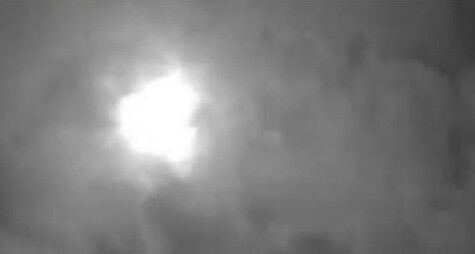
The green meteor explosion over Arizona was a breathtaking sight that captivated viewers. This extraordinary event left many in awe as they witnessed the brilliant display in the night sky.
What Caused the Green Meteor Explosion?
The recent green meteor explosion over Arizona has captivated skywatchers and scientists alike. This stunning event was caused by a celestial object entering the Earth’s atmosphere at high speed. As the meteor, composed primarily of rock and metal, descended, it encountered intense friction with the air, leading to a spectacular display of light and color.
Experts believe that the vibrant green hue observed during the explosion is attributed to the presence of certain elements. Specifically, the meteor likely contained:
- Nickel: Known to produce a green glow when heated.
- Iron: Contributes to the overall brightness of the explosion.
- Magnesium: Can also emit green light under certain conditions.
This green meteor explosion is a reminder of the enchanting forces at play in our universe.
Witnesses Share Their Reactions
Witnesses of the recent green meteor explosion in Arizona shared their astonishment and excitement as they experienced the breathtaking event. Many reported seeing a bright flash of green light illuminating the night sky, followed by a loud boom that resonated throughout the area.
Local resident, James T., described it as “a once-in-a-lifetime experience,” noting how the vivid color made the event even more remarkable. Another witness, Maria L., expressed her surprise, saying, “I never thought I would see something like this. It felt otherworldly.”
Several observers took to social media to share their reactions, posting videos and images of the green meteor explosion. One user remarked, “It looked like a scene from a movie! I’m still in awe.” The event has sparked discussions about the science behind such phenomena and the thrill of witnessing nature’s spectacular displays.
The Science Behind Meteor Explosions
Meteor explosions, such as the recent green meteor explosion over Arizona, occur when meteoroids enter the Earth’s atmosphere at high speeds. As these celestial objects travel through space, they can reach velocities of up to 45,000 miles per hour. Upon entering the atmosphere, friction with air molecules generates intense heat, causing the meteoroid to glow brightly.
When a meteoroid is large enough, it may not completely disintegrate and can explode in a spectacular display. This event, known as an airburst, happens when the pressure inside the meteoroid exceeds its structural integrity. The result is a brilliant flash of light and a shockwave that can be felt miles away.
Scientists study such events to understand more about the composition of meteoroids and their potential impact on Earth. Each green meteor explosion provides valuable data for ongoing research in planetary defense.
How to Observe Meteor Showers
Observing meteor showers can be an exhilarating experience, especially during events like the recent green meteor explosion over Arizona. Here are some tips to enhance your stargazing experience:
- Choose the Right Location: Find a dark area away from city lights. National parks or remote countryside are ideal.
- Timing: Meteor showers peak during specific times of the year. Check local astronomy calendars for the best dates.
- Weather Conditions: Clear skies are essential for optimal viewing. Monitor weather forecasts ahead of time.
- Equipment: While you can enjoy meteor showers with the naked eye, a reclining chair and blanket can enhance comfort.
- Patience: Give yourself time to adjust to the darkness and be prepared for a possible wait before witnessing a spectacular event like the green meteor explosion.
By tonynetone via Openverse